Menopause Information Is Everywhere—But Not All of It Is Accurate
Not every menopause tip on social media is backed by science. Before spending money on the latest trend, make sure you're getting information from reliable sources.
6/8/20261 min read
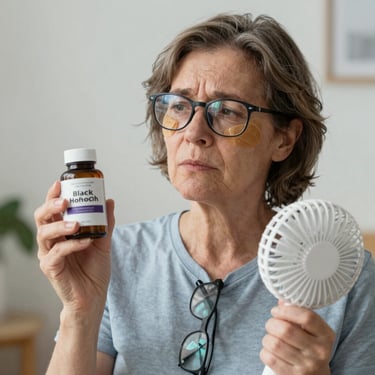
If you've spent five minutes on social media lately, you've probably seen someone claiming they have the secret solution for menopause.
One influencer recommends a supplement.
Another swears by a special tea.
Someone else says a certain vitamin changed everything.
It's no wonder women feel overwhelmed!
The reality is that menopause is highly individual. What works for one person may not work for another. While social media has helped bring menopause into the spotlight, experts are increasingly concerned about misinformation spreading online.
Some women are self-diagnosing based solely on social media posts. Others are spending significant amounts of money on products with little scientific evidence behind them.
That doesn't mean every online recommendation is wrong. It simply means we should approach health information with curiosity and a healthy dose of skepticism.
A few questions to ask when evaluating menopause advice:
Is the information supported by credible medical sources?
Does the person benefit financially from the recommendation?
Is there actual research behind the claim?
Has the advice been discussed with a healthcare professional?
The best menopause plan is one tailored to your individual symptoms, health history, and goals.
You don't need to buy every supplement, gadget, or trending product to navigate menopause successfully.
You need trustworthy information, qualified healthcare support, and the confidence to advocate for yourself.
The menopause conversation has come a long way. Let's make sure it's built on facts, not fear.
What's the most surprising menopause advice you've seen online recently?
#MenopauseAwareness #BrainHealth #MenopauseBrainFog #Perimenopause #HormoneHealth #MidlifeWomen #MenopauseSupport #WomensHealth