Navigating the Fog: Understanding Brain Fog During Perimenopause, Menopause, and Postmenopause
Navigating Brain Fog
5/27/20261 min read

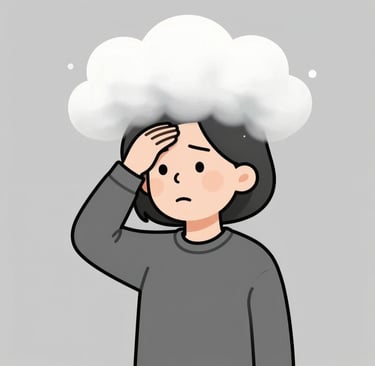
What is Brain Fog?
Brain fog is a term often used to describe a feeling of mental cloudiness or confusion. For women navigating perimenopause, menopause, and postmenopause, brain fog can become a common confrontation. Symptoms may include forgetfulness, a lack of focus, and difficulty concentrating. Understanding these symptoms is the first step toward managing them effectively.
The Role of Hormones in Brain Fog
During perimenopause, hormone levels can fluctuate dramatically. This can often lead to various symptoms, including brain fog. Estrogen, for instance, plays a significant part in cognitive function. As estrogen levels drop, so can cognitive abilities, leading to the mental sluggishness many women report. It's crucial to remember that this isn't just a natural part of aging; it's a physiological response that can be addressed.
Strategies for Mitigating Brain Fog
While the journey through hormonal changes can be challenging, there are several strategies that can help ease brain fog. Keeping a balanced diet rich in omega-3 fatty acids, antioxidants, and vitamins can positively impact cognitive functions. Regular physical activity not only benefits the body but also helps clear mental fatigue. Additionally, mindfulness practices such as meditation or yoga can sharpen focus and reduce stress, which often exacerbates feelings of mental fatigue.
Communicating openly with healthcare professionals about experiences with brain fog can also be beneficial. Whether it's discussing hormone replacement therapy or other options, having support can make a world of difference. Remember, navigating these changes is a personal journey, and it's essential to find strategies that best suit your needs.
Conclusion
Brain fog during perimenopause, menopause, and postmenopause can be frustrating and disheartening. However, understanding the link between hormonal changes and cognitive function can empower women to take charge of their mental health. By applying practical strategies to manage symptoms, embracing open dialogue with healthcare providers, and prioritizing self-care, women can navigate through this fog with renewed clarity and vigor.
Medical Disclaimer
This content is for educational purposes only and should not be considered medical advice. Always consult a qualified healthcare provider regarding symptoms, cognitive concerns, hormone changes, or treatment options related to menopause or perimenopause.