The Menopause Product Boom: What Helps and What’s Hype?
Cooling bracelets. Hormone gummies. Menopause teas. Special pajamas.
5/20/20262 min read
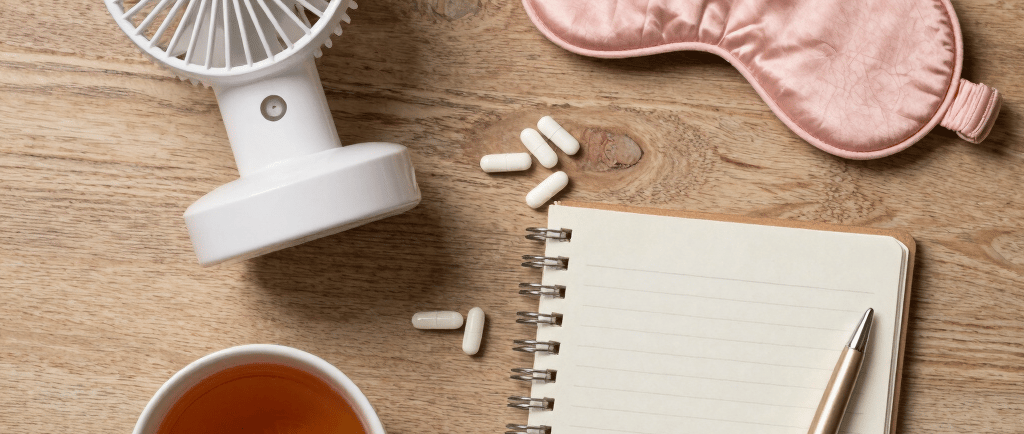
Menopause has become one of the fastest-growing wellness industries in the world. From cooling pajamas and hormone-balancing supplements to menopause skincare, apps, teas, and wearable devices, companies are racing to market products specifically designed for midlife women. While increased attention to menopause is helping reduce stigma and create more open conversations, it’s also creating confusion and overwhelm for many women trying to figure out what truly works.
One reason this market is exploding is because women have historically felt overlooked by the healthcare system when it comes to menopause support. Many women report feeling dismissed or under-informed about symptoms like hot flashes, sleep disruption, anxiety, brain fog, weight gain, and joint pain. As a result, social media influencers, wellness brands, and online communities have stepped in to fill the gap.
The challenge is that not every product marketed for menopause is backed by scientific evidence. Some supplements make bold claims without substantial clinical research. Others may contain ingredients that interact with medications or are inappropriate for certain medical conditions. Expensive wellness gadgets and trendy “miracle cures” can also create unrealistic expectations.
Experts recommend approaching menopause products with a healthy dose of skepticism and focusing first on evidence-based lifestyle habits, including:
Consistent sleep routines
Strength training and movement
Balanced nutrition
Stress management
Hydration
Medical guidance when needed
This doesn’t mean all menopause products are ineffective. Some women genuinely benefit from cooling products, vaginal moisturizers, therapy apps, symptom trackers, or medically recommended supplements. The key is learning how to separate supportive tools from aggressive marketing.
Healthcare professionals encourage women to ask important questions before buying:
Is there research supporting this claim?
Who is promoting the product?
Are licensed medical experts involved?
Could this interact with medications or health conditions?
Is this solving a real problem or selling fear?
The positive side of this growing industry is that menopause is finally being treated as an important health conversation rather than something women are expected to silently endure. More products, more research, and more visibility can ultimately lead to better care — as long as women remain informed consumers.
Medical Disclaimer: This article is for informational and educational purposes only and does not constitute medical advice. Menopause symptoms and treatment needs vary from person to person. Always consult a qualified healthcare provider before starting supplements, therapies, or new wellness products.