Why Gut Health Is Becoming a Big Menopause Conversation
Menopause isn’t just about hormones anymore.
5/19/20262 min read
For years, menopause discussions focused mostly on hot flashes, hormones, and sleep problems. But now, researchers and health experts are paying much closer attention to something many women never realized could be connected to menopause symptoms: gut health.
During menopause, changing estrogen levels can affect the gut microbiome — the collection of bacteria and microorganisms that help regulate digestion, metabolism, inflammation, immune function, and even mood. Many women notice increased bloating, weight gain around the midsection, fatigue, brain fog, and digestive changes during this stage of life. Scientists are now exploring how gut health may influence many of these symptoms.
One reason this topic is trending is that women are looking for natural, sustainable ways to feel better without relying solely on medication or restrictive diets. Research continues to suggest that lifestyle habits supporting the gut may also help support energy, mood stability, sleep quality, and metabolic health during menopause.
Experts are especially emphasizing the importance of:
Eating more fiber-rich foods
Prioritizing protein intake
Reducing ultra-processed foods
Staying physically active
Managing stress levels
Improving sleep quality
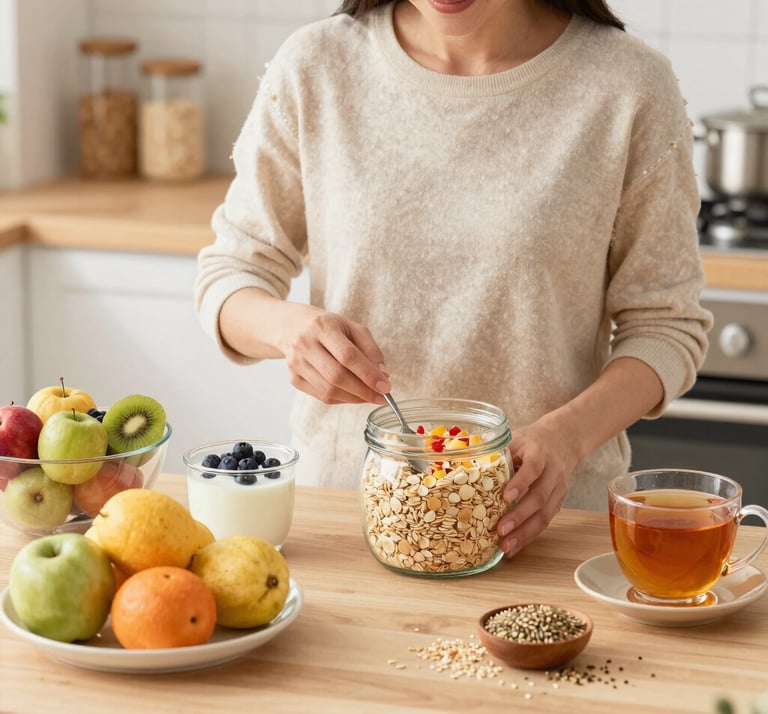
Foods like oats, berries, leafy greens, beans, yogurt, flaxseed, chia seeds, and fermented foods are becoming increasingly popular among women seeking menopause-friendly nutrition support. Hydration also plays an important role, especially as digestion and metabolism change with age.
Another major reason gut health is gaining attention is the growing conversation around inflammation. Chronic inflammation may contribute to joint pain, fatigue, insulin resistance, and weight changes during menopause. Supporting gut health may help reduce some inflammatory responses in the body.
Women are also becoming more cautious about quick-fix wellness trends. Instead of focusing only on supplements or expensive products, many are shifting toward simple daily habits that support long-term health and overall well-being.
The biggest takeaway? Menopause is no longer viewed as only a hormone issue. It’s increasingly being understood as a whole-body transition — and gut health is becoming an important part of that conversation.
Medical Disclaimer: This article is for educational purposes only and is not intended as medical advice. Menopause symptoms and nutritional needs vary by individual. Always consult your healthcare provider or a registered dietitian before making significant changes to your diet, supplements, or treatment plan.