Why So Many Women Are Suddenly Awake at 3 A.M.
The 3 a.m. menopause wake-up club is apparently very crowded. You’re exhausted. Your body is tired. But your brain suddenly decides it’s time to review your entire life history. Perimenopause sleep struggles are real — and you are definitely not alone.
6/1/20261 min read
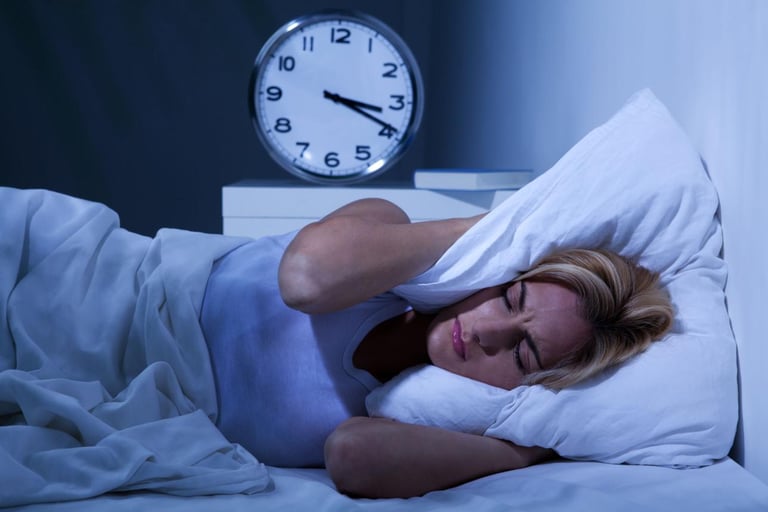
If you’ve entered the stage of life where you wake up at 3:07 a.m. for absolutely no reason and then stare at the ceiling replaying conversations from 1998…welcome to the club!
One of the biggest menopause conversations happening right now is sleep disruption — especially those frustrating middle-of-the-night wakeups that seem to appear out of nowhere. Women across menopause communities are talking about how they can fall asleep just fine… but staying asleep? Completely different story.
Researchers are increasingly connecting this to hormonal shifts, nervous-system changes, night sweats, stress sensitivity, and cortisol fluctuations during perimenopause and menopause.
And honestly, it can feel brutal.
Lack of sleep affects everything:
Mood
Patience
Brain fog
Cravings
Anxiety
Motivation
Energy
Memory
It’s hard to feel like yourself when your brain never fully powers down.
What’s interesting is that more experts are now talking about menopause as a neurological transition - not just a reproductive one. That means the brain, stress response, and nervous system are deeply involved in what we experience during this phase of life.
The good news? Women are also sharing what helps:
Consistent sleep schedules
Less alcohol
Morning sunlight
Strength training
Magnesium (with doctor approval)
CBT-I (cognitive behavioral therapy for insomnia)
Cooling sleep environments
Stress reduction
Talking openly instead of suffering silently
No, you’re not lazy.
No, you’re not “losing it.”
And no, you’re not the only woman awake at 3 a.m., wondering why your body suddenly forgot how sleep works.
#MenopauseMatters #WomensHealth #HormoneTherapy #MidlifeWomen #PerimenopausalSupport
Medical Disclaimer: This post is intended for general informational purposes only. Hormone replacement therapy (HRT) and other menopause treatments carry individual risks and benefits. Please consult your doctor or a certified menopause specialist to determine what's right for your health history and goals.